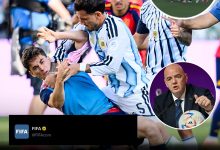
Argentina assistant coach finally breaks his silence after striking a Spain star during the World Cup final, leaving fans stunned by his explanation.

In the immediate aftermath of Spain’s thrilling 1-0 victory over Argentina in the 2026 FIFA World Cup final at MetLife Stadium in New Jersey, emotions ran high on the pitch. What should have been a moment of sporting glory for the victorious Spanish side quickly descended into chaos as members of the Argentine squad and coaching staff clashed with celebrating opponents. Among the most talked-about moments was an apparent altercation involving Argentina’s assistant coach Roberto Ayala and Spain midfielder Dani Olmo. Video footage circulating widely showed Ayala making contact with Olmo, sparking outrage, memes, and even a formal FIFA investigation.14a534
global.espn
Now, Ayala has come forward with his account of the events, offering a perspective that starkly contrasts with the viral clips painting him as the aggressor. His version emphasizes context, emotion, and intent over the raw visual evidence, claiming the contact was far from a deliberate strike. This development has fueled further debate among fans, analysts, and football authorities about sportsmanship, the pressures of high-stakes competition, and how losing teams process defeat on the grandest stage.897c98
@kelvinkell16ks
The Context of the Final and the On-Field Tensions

Spain’s triumph marked their second World Cup title, secured by Ferran Torres’ extra-time goal in the 106th minute. The match itself was tense, with Argentina reduced to ten men late on after Enzo Fernández’s red card. Argentina, the defending champions led by Lionel Messi, struggled to create clear chances and ultimately fell short. The final whistle triggered immediate celebrations for La Roja, but also visible frustration from the Argentine camp.cc0b4e
@i
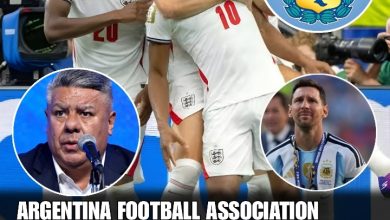
Post-match footage captured multiple flashpoints: Nahuel Molina appeared to make contact with Spain captain Rodri, Leandro Paredes was involved in shoving Eric García and wrestling Gavi to the ground, and other players like Thiago Almada were drawn in. Ayala, a respected former defender and key member of Lionel Scaloni’s backroom staff, was seen approaching the area amid the melee. In one clip, he makes contact with Olmo’s face or upper body, which many interpreted as a punch.078509
Foxsports
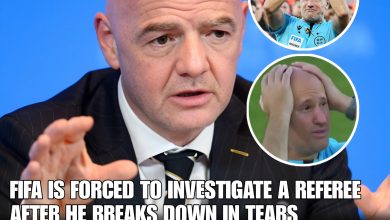
FIFA swiftly announced a disciplinary probe into the incidents, highlighting concerns over conduct that could tarnish the tournament’s image. The governing body appointed a disciplinary and ethics prosecutor to review the matter, with potential sanctions ranging from fines to suspensions for individuals and the Argentine Football Association.c5a9c0
Fijivillage
Ayala’s Version: A Push, Not a Punch, Born of High Emotions
Speaking to media outlets including Esports Migdia, Ayala provided a detailed explanation that reframes the incident. He insisted his intention was not to assault anyone but rather to intervene and separate parties involved in the growing confrontation. According to Ayala, the contact stemmed from a verbal exchange and the chaotic environment rather than premeditated violence.feaae2
@itsnotsoccerhq
“It was more of a push than anything else, it wasn’t a punch like they’re saying,” Ayala explained. He acknowledged seeing the footage but emphasized that context matters—emotions were running extremely high after a heartbreaking defeat in a World Cup final. “My intention was to go and separate them… sometimes things happen and emotions run high, but that’s no excuse.”
Ayala expressed regret for how his actions appeared, particularly given his position as a role model and coach. “Obviously I’m sorry. Because of my position, I can’t allow a feeling, or what I might receive from the other party, to change my mood and my actions.” He noted that he would personally apologize to Olmo if given the chance and stressed that such incidents should remain on the field and not linger.599789
@kelvinkell16ks
He also mentioned interaction with Spain’s Eric García during the scuffle, claiming he approached to offer congratulations and de-escalate rather than escalate. This narrative positions Ayala not as an instigator but as someone caught in the heat of the moment while trying to fulfill a peacekeeping role. Supporters of the Argentine side have rallied around this account, arguing that viral videos lack full context and that the Spanish players’ celebrations may have provoked reactions.3fe76b
sports.yahoo
Broader Implications and Reactions
The incident has divided opinions globally. Critics, including some Spanish commentators and neutral observers, have labeled the Argentine behavior as “disgraceful” or unsportsmanlike, pointing to a pattern of physical confrontations involving multiple players and staff. Spain coach Luis de la Fuente and players like Olmo have downplayed the personal impact but emphasized the need for better examples for younger generations.ebb52c
Thetimes
On the other side, Argentine fans and some former players defend the passion inherent in their football culture, suggesting that the loss—especially after defending their title so fiercely—naturally led to raw displays of disappointment. Messi’s own emotional response and the team’s decision to largely turn away during Spain’s trophy lift added to the narrative of a bitter ending for the golden generation.7f2cab
@laurensuck802
Ayala’s public statement comes as part of a broader effort by the Argentine camp to address the fallout. Head coach Lionel Scaloni was visibly emotional in post-match interviews, at one point unable to continue due to tears, underscoring the immense pressure and stakes involved.85601a
Lessons for Football and Moving Forward
This episode raises important questions about player and coach conduct in elite football. While passion is celebrated, crossing into physical altercations—especially involving coaching staff—can have lasting consequences, including bans that affect future tournaments or club duties. FIFA’s investigation will likely set precedents for how such post-match incidents are handled.
Ayala’s account humanizes the moment: elite athletes and coaches are not immune to the psychological toll of competition. Defeat in a World Cup final, after years of preparation, investment, and national expectation, is devastating. His willingness to take responsibility while providing nuance (“I take responsibility for what I did”) demonstrates accountability without fully conceding the aggressive narrative.
For Dani Olmo and Spain, the focus remains on their historic achievement. The young midfielder, instrumental in Spain’s campaign, reportedly wasn’t overly bothered by the incident but used it to call for positive role modeling.
As the football world digests the 2026 World Cup, stories like Ayala’s remind us that behind the highlights and controversies are human beings navigating intense pressure. Whether his version shifts public perception or influences FIFA’s ruling remains to be seen, but it undoubtedly adds depth to what initially seemed like a straightforward case of poor sportsmanship.a7f743
YouTube
In the end, football’s beauty lies in its drama—both on and off the pitch. Ayala’s defense may not erase the footage, but it invites a more complete understanding of the seconds that followed Spain’s crowning moment. As passions cool, the hope is for reconciliation, learning, and a renewed focus on the spirit of the game that unites fans worldwide.