Shockwaves at Everton as Idrissa Gana Gueye opens up on potential exit, revealing the harrowing experience he endured as a Black man at Goodison Park.
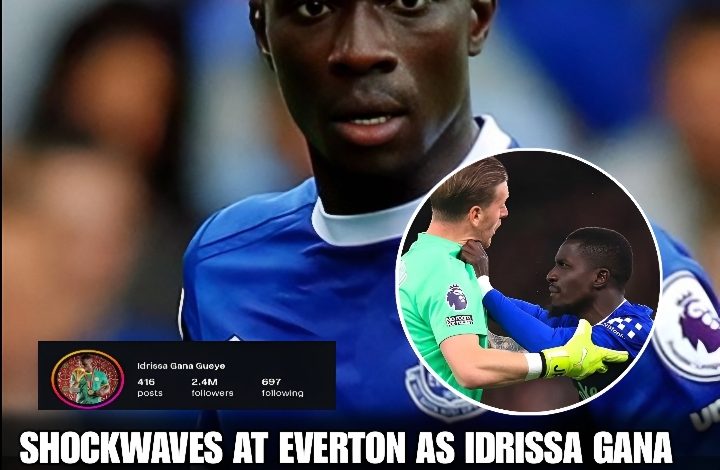
Shockwaves at Everton as Idrissa Gana Gueye Speaks Openly About Possible Departure and Difficult Experiences at Goodison Park
Everton Football Club finds itself at the centre of intense discussion after long-serving midfielder Idrissa Gana Gueye offered candid reflections on his future and the personal challenges he has faced during his time at the club. In recent comments that have circulated widely, the experienced Senegalese international addressed speculation surrounding a potential exit while describing what he characterised as a harrowing period linked to his experiences as a Black player at Goodison Park. The remarks have prompted widespread reaction among supporters, former players, and observers of the Premier League.
Gueye, who first joined Everton in 2016 before a spell at Paris Saint-Germain and a subsequent return to Merseyside, has been a consistent and reliable presence in the midfield. Known for his defensive discipline, energy, and leadership qualities, the 36-year-old has contributed across multiple campaigns marked by fluctuating fortunes for the Toffees. His comments come at a time when the club continues to navigate significant off-field changes, including the transition toward a new stadium and ongoing efforts to stabilise on the pitch under current management.
In the interview, Gueye did not frame his reflections as an outright attack on the institution or its supporters as a whole. Instead, he spoke of broader difficulties that can confront Black players in English football environments, drawing on his own journey. He referenced moments of isolation, the weight of representing both club and community under heightened scrutiny, and the emotional toll that accumulates over years in a high-pressure setting. These experiences, he indicated, have formed part of his thinking as he contemplates the next chapter of his career. Whether that involves remaining at Everton or seeking a new challenge elsewhere remains unresolved, but the openness of his remarks has amplified existing transfer speculation.
The response across football circles has been immediate. Many supporters expressed surprise and concern, emphasising Gueye’s long service and the respect he has earned through consistent performances. Others used the moment to highlight ongoing conversations about inclusion, representation, and the lived realities of minority players in the Premier League. Former colleagues and analysts noted that Gueye has generally maintained a low-profile, professional demeanour throughout his career, making the depth of these reflections particularly striking. Pundits have called for measured discussion rather than polarisation, stressing the importance of listening to players’ accounts without rushing to definitive conclusions about systemic issues at any single club.


Gueye’s career path provides important context. After establishing himself in France with Lille, he arrived at Everton and quickly adapted to the physical and tactical demands of English football. His first spell saw him become a fan favourite for his tenacity and ability to break up opposition play. The move to PSG offered exposure to Champions League football and a different cultural environment before he returned to Goodison Park. Throughout these transitions he has represented Senegal with distinction, including appearances at major international tournaments. That dual identity—club player and national team regular—has often placed additional expectations on his shoulders.
Discussions of race and belonging in football are not new. English football has made public commitments to anti-discrimination initiatives over many years, yet players continue to report varying degrees of challenge both on and off the pitch. Gueye’s decision to speak about his personal experience adds another voice to that ongoing dialogue. He described the cumulative effect of certain incidents and atmospheres rather than listing specific publicised events, focusing instead on the internal impact of navigating professional life as a Black African player in a traditionally English club setting. The word “harrowing” in early reports captured the emotional intensity of his account, though subsequent coverage has sought to place the comments in the fuller context of a long career that also included periods of clear enjoyment and strong connection with teammates.
Everton’s hierarchy has not issued an exhaustive public rebuttal. Club sources have reportedly acknowledged Gueye’s contribution and indicated a willingness to discuss his future constructively. With the summer window progressing, the midfielder’s contract situation and any interest from other clubs will shape the practical outcome. At this stage of his career, factors such as playing time, squad role, and personal well-being naturally influence decisions. Supporters on social platforms and in traditional media have offered mixed but largely respectful reactions, with many expressing hope that any departure, should it occur, would be handled with dignity on both sides.
The broader implications extend beyond one player’s comments. Conversations about culture within dressing rooms, the support structures available to international players, and the responsibility of clubs to foster inclusive environments have resurfaced. Gueye’s status as a senior professional lends weight to his perspective. Younger players watching may draw lessons about the importance of mental resilience and the value of speaking when ready. At the same time, the club’s long-standing community work and efforts to engage diverse fan groups form part of the wider picture that any balanced assessment must include.
As Everton prepares for the demands of another competitive season, the focus will remain on squad planning and on-pitch improvement. Gueye’s revelations have injected an unexpected human dimension into that process. Whether he ultimately stays or leaves, the episode underscores the complexity of modern football careers—where sporting performance intersects with identity, belonging, and personal history. His willingness to address difficult aspects of his time at Goodison Park has ensured the story will linger in discussions for some time.
Football remains a global game that draws talent from every continent. Players such as Gueye bring technical quality and cultural richness while navigating environments that can present both opportunity and strain. The shockwaves generated by his latest comments reflect the sensitivity of these subjects and the genuine interest many hold in understanding the experiences of those who wear the shirt week after week. Clarity on his immediate future will emerge in the coming weeks, but the substance of what he shared has already prompted reflection across the sport.
In the end, Idrissa Gana Gueye’s account stands as one player’s testimony within a larger, unfinished conversation. It reminds observers that behind transfer speculation and match results lie individual stories shaped by ambition, adversity, and the desire for respect. Everton and its supporters now confront those reflections as they continue the club’s ongoing journey.