 Minister
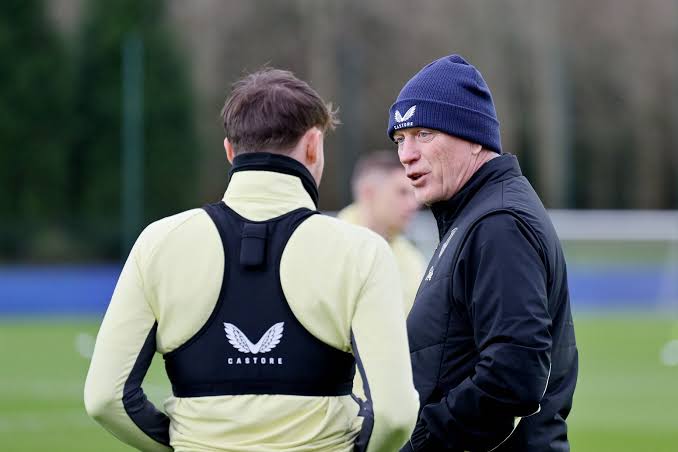
The modern football landscape thrives on volatility. A sequence of poor results, a tactical misstep, or off-pitch corporate maneuvering is often all it takes to cast doubt over a manager’s future. Yet, at Everton’s new home—the Hill Dickinson Stadium
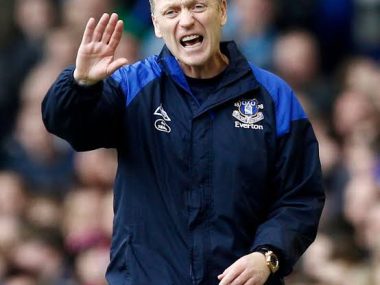
David Moyes remains the steadfast constant. Despite experiencing a recent stumble in form, including their first Premier League defeat of the campaign against Chelsea, Moyes’ position at the helm of the Toffees remains secure.
For Everton, continuity has suddenly become the most valuable commodity in their football operations.
A Stumble, Not a Collapse
The early weeks of the Premier League season carried plenty of optimism for Evertonians. Under Moyes’ pragmatic leadership, the club opened the campaign with an impressive unbeaten run, finding themselves comfortably placed within the upper half of the table.
However, the recent 2-0 defeat to Chelsea at the Hill Dickinson Stadium served as a sharp reminder of the steep challenges that lie ahead.
The loss exposed persistent squad depth issues, particularly in forward areas, while putting an end to their early momentum. Yet, within the club, there is no sense of panic. A single defeat or a temporary drop in performance does not erase the solid structural foundation Moyes has built since returning to the club.
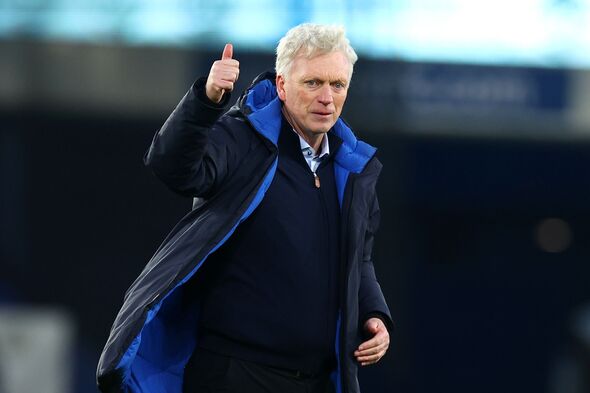
The board and key decision-makers recognize that transition periods inherently come with turbulence, particularly as the team adapts to a new stadium environment and an evolving squad dynamic.
Corporate Quiet and Ownership Dynamics
Beyond the pitch, much of the background chatter around Moyes has centered on his contract situation. Entering the final year of his current deal, contract discussions between Moyes and the club’s leadership have experienced a natural lull. This pause, however, stems not from a lack of faith in Moyes’ capabilities, but rather from the broader ownership landscape.
With The Friedkin Group exploring options regarding their controlling interest in the club, administrative priorities have naturally shifted toward resolving top-level governance structure. Speaking on the situation, Moyes himself has continuously emphasized the importance of administrative and managerial stability:
”Stability at any football club is really important… Managers are a big part of stability. Talks have taken place, but things are a bit quiet at the moment—guessing it is more to do with the situation we are in just now.”
Moyes’ measured, professional approach to his own contractual status highlights exactly why the hierarchy trusts him implicitly. Rather than allowing off-field negotiations or ownership uncertainties to distract the squad, he remains hyper-focused on daily performance at Finch Farm.
Developing the Next Generation
Another key reason Moyes retains the full backing of the club hierarchy is his adept management of squad rotation and youth development. While fans naturally call for summer arrivals and young prospects to be thrown straight into starting line-ups, Moyes has taken a calculated, long-term approach.
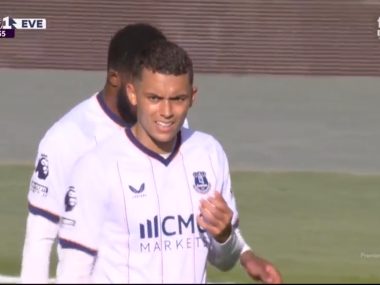
Harrison Armstrong: The young midfielder has flourished, starting every Premier League match so far and rapidly maturing under Moyes’ guidance.
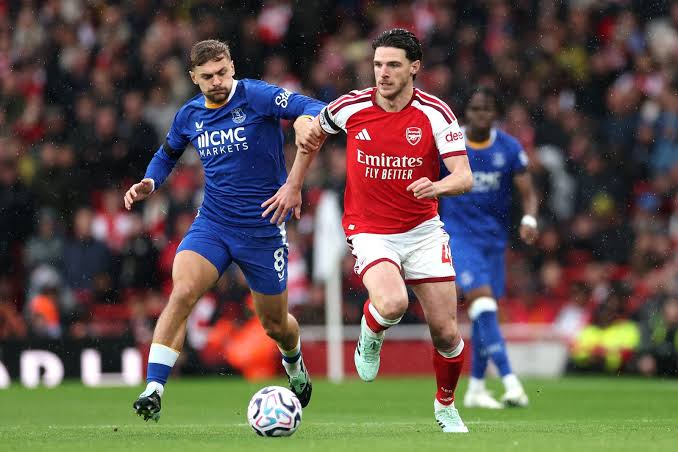
Integrated Prospects: Players like Hayden Hackney, Tyrique George, and Tyler Dibling are being carefully integrated, with Moyes drawing on historical examples like Leighton Baines and Phil Jagielka to stress the importance of patient development.
Tactical Adaptability: Integrating senior players like Ainsley Maitland-Niles and Christian Nørgaard while exploring tactical flexibility with creative talents like Jack Grealish shows a manager committed to maximizing squad potential.
Why Moyes Remains the Right Fit
Everton’s recent history is a clear lesson in the dangers of frequent managerial turnover. High manager turnover leads to fragmented squads, inconsistent tactical identities, and financial strain. In David Moyes, Everton possess a veteran manager who understands the unique culture of the club, commands respect in the dressing room, and possesses the tactical pragmatism required to navigate tough fixtures.
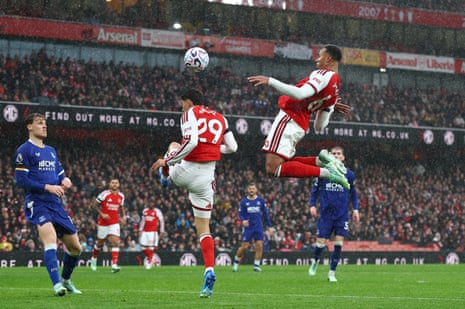
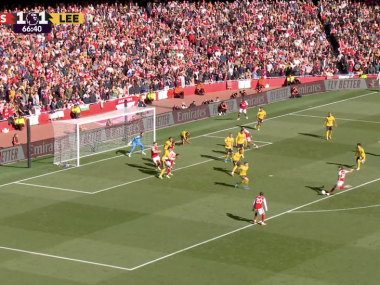
As Everton prepare for daunting tests—including trips to face reigning champions Arsenal—the focus is entirely on response and resilience. A temporary dip in results or a delay in contract signatures will not derail the project at the Hill Dickinson Stadium.
David Moyes is staying put, serving as the steady hand that Everton need as they build their future.
Would you like to adjust the focus of this article toward tactical analysis, player development, or the ongoing ownership situation?

 Bigsam
 Thewolf
 Badboy
 Minister
 TheAlpha