 Bangerboy
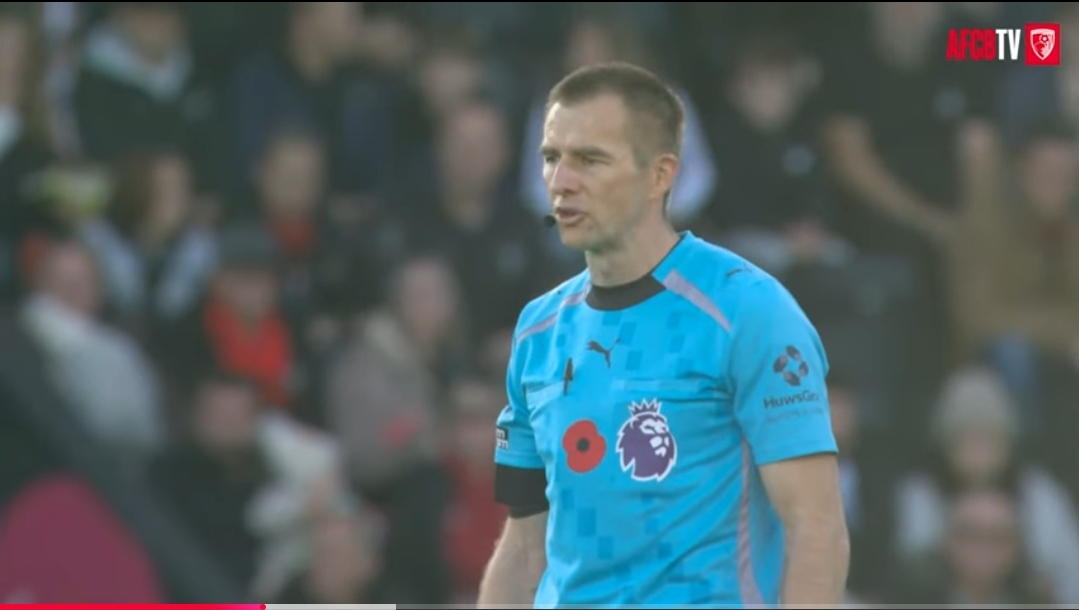
The football world has been thrown into complete chaos following referee Michael Salisbury’s post-match admissions regarding his controversial VAR review of Leeds United’s opening goal. In a post-match breakdown that has ignited intense fury and scrutiny, Salisbury reportedly confessed that he was fundamentally unsure whether he should cancel the goal, yet he proceeded to rule it out anyway. The decision to chalk off the strike due to a disputed build-up infringement dramatically altered the momentum of the fixture, sparking fierce outrage from players, pundits, and supporters alike who questioned the integrity and confidence of the officiating process. Critics have pointed out that admitting uncertainty while executing a game-altering intervention undermines the core purpose of video assistance technology, transforming VAR from a tool for objective clarity into a vehicle for confusion. As pressure mounts on referee governing bodies to address the growing transparency crisis, whispers behind the scenes suggest that this catastrophic lapse in authoritative decision-making could carry severe disciplinary consequences for Salisbury, with some insiders warning that he faces a potential suspension or a temporary ban from upcoming Premier League fixtures. The fallout highlights ongoing anxieties surrounding the application of VAR laws and the psychological burden placed on officials under the spotlight. With football authorities facing an uphill battle to restore trust in match-day officiating, Salisbury’s bewildering admission serves as a cautionary tale of how hesitation and ambiguous protocol execution can ignite a storm of controversy capable of threatening a referee’s career trajectory.

 xy

 Badboy
 Thewolf

 shakur