 Badboy
Derek McInnes dropped the coldest, least media-trained response of the month when asked about his team’s performance against Celtic.
In the aftermath of Rangers’ commanding 3-0 Premier Sports Cup quarter-final victory over Celtic at Ibrox on 13 September 2026, the Rangers manager cut through the usual post-derby platitudes with characteristic blunt honesty. No carefully spun narratives, no hedging for the cameras—just straight talk that captured the dominance on the pitch.
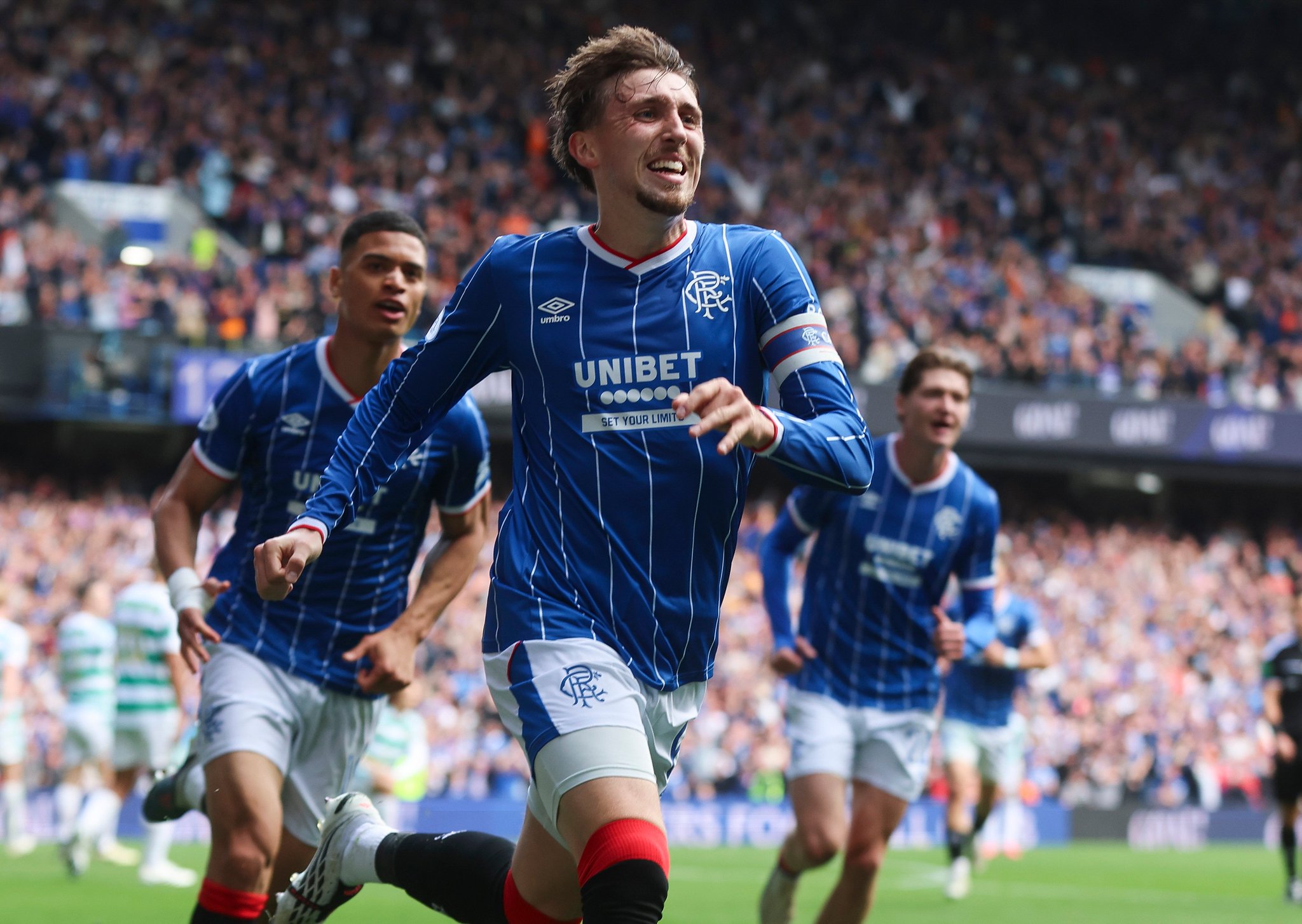
Rangers, under McInnes in his first Old Firm managerial outing, dismantled Celtic with an aggressive man-for-man press and bold setup. Captain Dan Neil scored twice, Kevin Kelsy netted his first goal for the club, and the hosts controlled territory, chances and intensity from the opening minutes. Celtic, without away supporters due to restrictions, offered little and failed to create meaningful opportunities. McInnes had prepared meticulously, deploying James Penrice higher to flood midfield and disrupt Celtic’s build-up, and his players executed the plan ruthlessly.
When the inevitable question came about the performance, McInnes did not reach for the polished media handbook. He praised the strength of the club both on and off the pitch, underlined that ideas only matter when players deliver big performances, and left no room for ambiguity: this was a strong, deserved showing that reflected the intensity and organisation he demands. In an era of carefully worded press conferences designed to avoid controversy or inflame rivals, his delivery stood out for its directness. No false humility, no excessive credit to the opposition for a game they never controlled—just an unfiltered assessment that the team had rattled and ultimately overwhelmed Celtic.
That approach has long defined McInnes. Across spells at Aberdeen, Kilmarnock and Hearts, he has rarely sugar-coated results or performances. Supporters and observers have come to expect it: the manager who calls a poor display what it is and celebrates a good one without the corporate gloss. On this occasion, with Ibrox rocking and Rangers advancing to the semi-finals, the honesty landed as refreshing rather than abrasive. It reinforced the sense that under McInnes the club is prioritising substance over spin.
The result itself was a statement. Neil’s clinical finishes and the collective pressing nullified Celtic’s usual patterns. McInnes had spoken pre-match about needing the crowd to have the players’ backs rather than being on them, and the 50,000-strong home support responded. The cold clarity of his post-match words simply matched the clinical clarity of the performance.
In Scottish football’s high-stakes media environment, such unvarnished responses remain rare. McInnes delivered one that cut through the noise, reminding everyone why his style continues to resonate. For Rangers fans, it was the perfect end to a dominant afternoon: three goals, a place in the last four, and a manager who said exactly what the performance deserved.

 Bigsam
 the wolf
 Minister
 xy
xy
 Badboy