
 Badboy
Premier League Explains Brennan Johnson’s Disallowed Goal vs Hull City Amid Ongoing VAR Scrutiny
In the Premier League clash between Hull City and Everton on 11 October 2026 at the MKM Stadium, Brennan Johnson thought he had given the visitors the lead in the 34th minute, only for the goal to be overturned after a VAR review. The decision has reignited debate over subjective offside calls involving interference with an opponent.
The incident unfolded from a Jarrad Branthwaite delivery into the box. Hull goalkeeper Konstantinos Tzolakis spilled the ball under pressure. A subsequent effort was blocked on the line, and when Ryan Giles attempted to clear, the ball struck Johnson and went into the net. Celebrations were cut short as referee Michael Salisbury was sent to the pitchside monitor on the recommendation of VAR official Tim Wood.
The Premier League Match Centre clarified the overturn: “After VAR review, the referee overturned the original decision of goal to Everton – with Johnson in an offside position and deemed to be challenging an opponent for the ball. REF: ‘Everton No.22 is in an offside position and challenges Hull No.3. Final decision is offside.’” Former Premier League assistant referee Darren Cann explained to the BBC that Johnson was offside when Harrison Armstrong’s shot came in and then challenged Giles, constituting interference under the laws of the game. Cann described Wood’s intervention as “excellent and correct,” noting it was a subjective rather than purely factual offside decision requiring the on-field review.
This marked the second time in recent weeks that Johnson has been central to a disallowed Everton goal for offside interference. Against Ipswich Town earlier in the season, Thierno Barry’s header was ruled out because Johnson was judged to be impacting goalkeeper Christian Walton while in an offside position. The Key Match Incidents panel later backed that call by a narrow 3-2 majority.
Everton manager David Moyes accepted the principle of the Hull decision but questioned the application of the lines. “Look I think we have a shot and he could be offside with the shot that is blocked and he scored the rebound. I accept that well enough. But I just don’t know if the goalkeeper’s heel is playing him on. I hope they’ve put the lines on and done it correctly,” he said. The match finished 2-2, with Hull taking the lead through Joe Gelhardt, Everton responding via Kiernan Dewsbury-Hall and Barry, and Mohamed Belloumi equalising late.
The Premier League and PGMOL have not yet released full VAR audio from the Hull incident. Audio from contentious decisions is typically shared later via the monthly Match Officials Mic’d Up programme to provide transparency on officials’ communications. Previous releases, such as those involving high-profile offside or foul reviews, have offered insight into the real-time discussions between referee, VAR and assistant VAR, often revealing the precise language used around “clear and obvious error” thresholds and subjective interference judgments.
Critics continue to argue that subjective offside interpretations—particularly around whether a player in an offside position is actively interfering—lack full consistency. Supporters of the system point to improved technology and the opportunity for on-field reviews as progress. Johnson’s latest disallowed effort underscores how marginal positioning and subsequent challenges can swing key moments, even when the final outcome of a match is a draw.
As Everton remain unbeaten and Hull stay competitive at home, the episode adds another chapter to the season’s VAR narrative. Full audio, when released, will likely face close examination for any further “eye-opening” details on how the officials reached their conclusion.


 xy
xy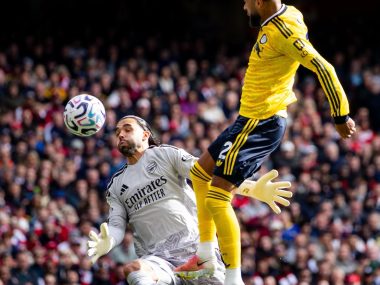
 shakur
 Thewolf
 Minister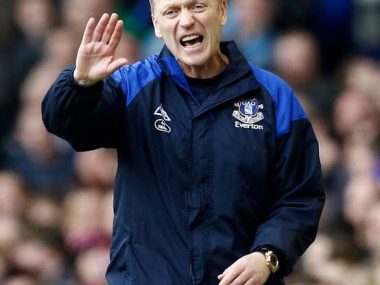
 Bigsam